 KIBRAN
Ethiopia is one of the world’s oldest continuous civilisations. Its history stretches from early human origins through the great Aksumite Empire, the medieval rock-hewn churches of Lalibela, the royal castles of Gondar, and a living Christian and cultural tradition that has never been interrupted by colonial rule.
The Ethiopian Rift and Awash Valley have yielded some of the most important fossils of human evolution, including “Lucy” (Australopithecus afarensis). Sites such as the Lower Valley of the Awash and Melka Kunture form part of Ethiopia’s UNESCO heritage and remind us that this landscape is central to the story of humanity itself.
Aksum was one of the four great powers of the ancient world, trading across the Red Sea with Rome, India and Arabia. It was among the first kingdoms outside the Roman Empire to adopt Christianity (under King Ezana, c. 330 AD). Its monumental granite stelae, royal tombs and inscriptions still dominate the northern highlands. The Church of St Mary of Zion is traditionally linked to the Ark of the Covenant.
Experience it on: the 14-day Historical Ethiopia journey.
Under the Zagwe kings, Ethiopia created one of the world’s greatest architectural achievements: the eleven rock-hewn churches of Lalibela, carved downward from living volcanic rock as a “New Jerusalem.” These churches remain active places of Ethiopian Orthodox worship today — a rare continuity of sacred architecture and practice.
Experience it on: the 14-day Historical Ethiopia journey.
The restoration of the Solomonic line in the late 13th century shaped Ethiopia’s imperial identity for centuries. In the 17th century the emperors established Gondar as their capital and built the fortified royal enclosure of Fasil Ghebbi — a unique blend of Ethiopian, Portuguese, Indian and Arabic influences, often called “Africa’s Camelot.”
Experience it on: the 14-day Historical Ethiopia journey.
Beyond the famous sites, the highlands of Tigray and the Lake Tana region preserve hundreds of rock-hewn and island monasteries. Many date from the early medieval period and continue as living centres of Ethiopian Orthodox monasticism, holding ancient manuscripts, crosses and painted traditions.
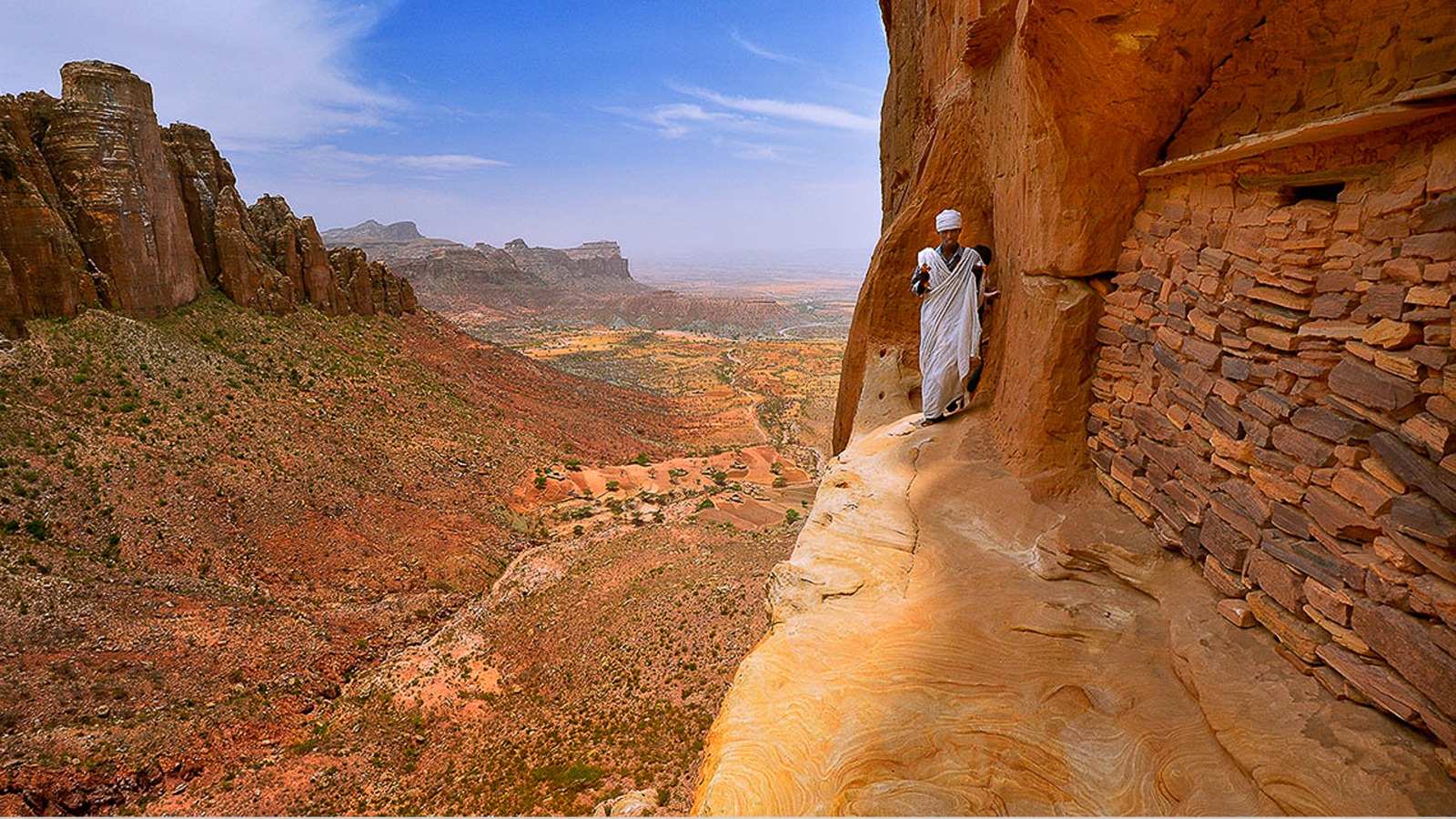
While the north holds the great imperial and Christian sites, the south — especially the Omo Valley and Konso highlands — preserves distinctive living cultural landscapes. These are not “ancient ruins” but continuing traditions of architecture, ritual, and social organisation that have deep historical roots.
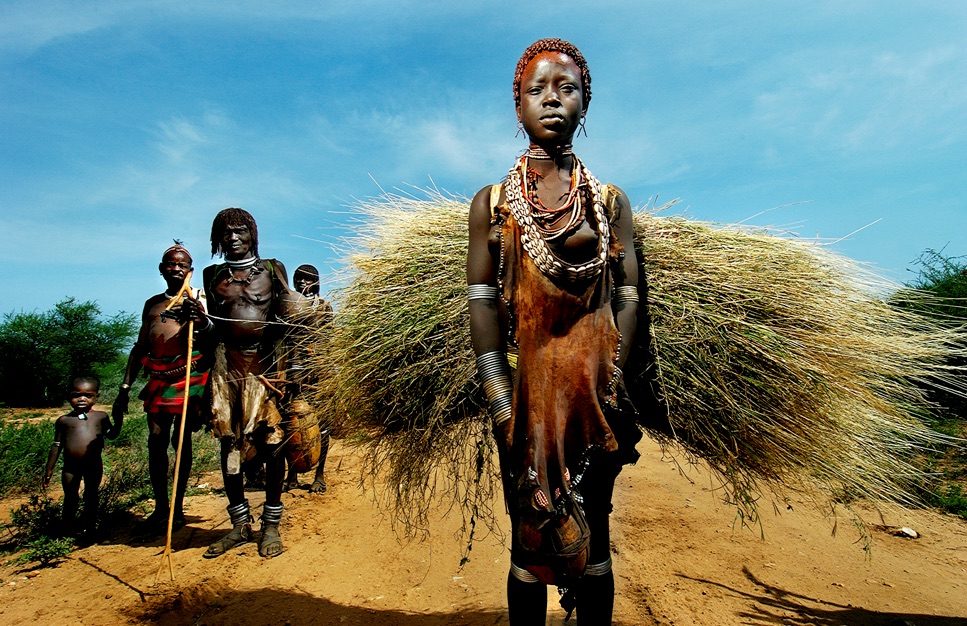
Experience it on: the 14-day Tribal Ethiopia – Omo Valley, Lakes & Bale journey.
Unlike most of Africa, Ethiopia was never fully colonised. Its written tradition (Ge’ez), its church, its imperial institutions and its cultural diversity form a continuous thread from antiquity to the present. This is what makes a journey through its historical and living sites uniquely powerful.
Our private journeys are designed to let you move through this history at the right pace — with expert guides, carefully chosen lodges, and the flexibility to linger where the story is richest.